A reliable home drainage system is one of the most important yet often overlooked aspects of a comfortable living environment. While homeowners usually pay attention to interior design, furniture, or lighting, the drainage system quietly plays a critical role in maintaining cleanliness, hygiene, and structural safety. When a drainage system functions properly, wastewater flows smoothly, unpleasant odors are minimized, and the risk of leaks or pipe damage is significantly reduced.
However, many drainage problems actually start from small mistakes in planning, installation, or maintenance. Blocked pipes, slow drainage, and excessive noise from wastewater pipes can disrupt daily activities and sometimes lead to expensive repairs. Fortunately, there are several simple steps homeowners can follow to ensure their drainage systems remain reliable and long-lasting.

Contents
- 1 Plan the Drainage Layout Carefully
- 2 Use High-Quality Drainage Pipes
- 3 Ensure Proper Pipe Connections
- 4 Prevent Blockages Through Regular Maintenance
- 5 Pay Attention to Drainage Noise
- 6 Protect Pipes from Structural Stress
- 7 Avoid Overloading the Drainage System
- 8 The Importance of Professional Installation
- 9 Conclusion
Plan the Drainage Layout Carefully
The first step toward a reliable drainage system is proper planning. A well-designed drainage layout ensures that wastewater flows efficiently from sinks, bathrooms, kitchens, and laundry areas toward the main sewer line.
Professional plumbers usually design drainage systems with the correct slope so that gravity can help move wastewater smoothly. Pipes that are installed with insufficient slope may cause water to stagnate inside the pipe, increasing the risk of blockages over time.
Planning also involves determining the correct pipe size for each area. Kitchen drains, for example, may require pipes that can handle grease and food particles, while bathroom drains must accommodate hair and soap residues. By choosing the right pipe size and layout from the beginning, homeowners can avoid many common drainage issues.
Use High-Quality Drainage Pipes
One of the most important factors that determine the reliability of a drainage system is the quality of the pipes themselves. Pipes that are durable, corrosion-resistant, and designed for proper wastewater flow can significantly reduce maintenance problems in the future.
PVC pipes are widely used in residential drainage systems because they are lightweight, easy to install, and resistant to corrosion. One example is pipa PVC Gavin, which are designed to provide consistent water flow and strong durability for residential plumbing installations. Using reliable PVC pipes can help ensure that drainage systems remain stable for many years with minimal risk of leakage or structural damage.
High-quality materials also help reduce the chances of pipe cracking or joint failure, especially in buildings where drainage pipes are installed inside walls or ceilings. Once pipes are hidden behind structural components, repairing them can be costly and complicated. Therefore, selecting good pipe materials from the beginning is a wise investment.
Ensure Proper Pipe Connections
Even the best pipes can fail if they are installed incorrectly. Poor pipe connections are one of the leading causes of leakage and drainage inefficiency in residential plumbing systems.
During installation, each pipe joint should be properly sealed to prevent water from escaping. Professional plumbers typically use specialized adhesives, fittings, or rubber seals designed for drainage applications. These components ensure that the connections remain secure even when the system experiences temperature changes or water pressure fluctuations.
Additionally, pipe alignment must be carefully checked. Misaligned pipes can create internal resistance that slows down wastewater flow, increasing the likelihood of clogging. Proper installation techniques ensure that water flows smoothly through the drainage network without unnecessary obstacles.
Prevent Blockages Through Regular Maintenance
Even a well-designed drainage system requires periodic maintenance. Over time, substances such as grease, soap residue, hair, and food waste can accumulate inside pipes and gradually restrict water flow.
Homeowners can reduce the risk of blockages by adopting simple maintenance habits. For example, kitchen sinks should be equipped with drain strainers to catch food particles before they enter the pipes. Grease and cooking oil should never be poured directly into the sink because they can solidify inside pipes and cause stubborn clogs.
Bathrooms also require regular attention. Hair is one of the most common causes of bathroom drain blockages. Installing a simple hair filter over the drain opening can prevent large amounts of hair from entering the plumbing system.
Occasional flushing with warm water can also help remove minor residues from the pipes, keeping the drainage system running smoothly.
Pay Attention to Drainage Noise
One issue that many homeowners do not anticipate is the noise produced by wastewater flowing through pipes. In multi-story homes or apartment buildings, drainage pipes installed inside walls or ceilings can produce noticeable sounds whenever water flows through them.
This noise can become particularly disturbing at night, especially when bathrooms or kitchens are used on upper floors. To address this problem, specialized sound-reducing pipes are often used in modern buildings.
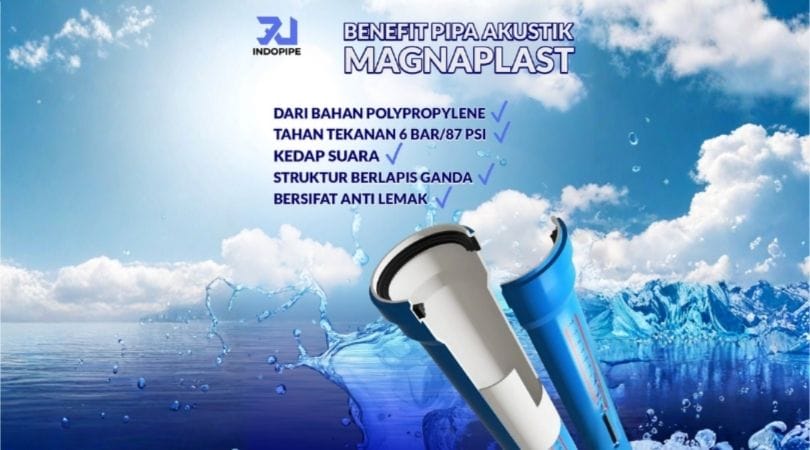
For example, pipa akustik Magnaplast are designed specifically to minimize noise generated by wastewater flow. These pipes use specialized materials and multilayer construction to absorb sound vibrations, making them ideal for residential buildings where comfort and quiet environments are important. By incorporating acoustic drainage pipes in key areas, homeowners can significantly reduce the noise produced by plumbing systems.
Protect Pipes from Structural Stress
Drainage pipes must also be protected from external stress that could weaken or damage them over time. Pipes installed inside walls or under floors may be exposed to pressure from building structures, soil movement, or temperature changes.
To prevent these issues, installers usually use proper pipe supports and brackets. These components hold the pipes securely in place and prevent excessive movement that could loosen pipe joints. In addition, pipes that pass through concrete or structural elements should be installed with protective sleeves to prevent friction or cracking.
Another important consideration is accessibility. Whenever possible, critical sections of the drainage system should remain accessible for inspection or maintenance. Access panels or inspection openings make it easier for technicians to identify problems early before they escalate into serious damage.
Avoid Overloading the Drainage System
Many drainage problems occur when systems are forced to handle more waste than they were originally designed for. For example, installing additional appliances such as dishwashers or washing machines without adjusting the plumbing system can increase the load on existing pipes.
Homeowners planning renovations or home upgrades should ensure that the drainage system is capable of handling the additional wastewater volume. In some cases, upgrading pipe sizes or adding secondary drainage lines may be necessary to maintain efficient water flow.
Consulting with plumbing professionals before making major modifications can help ensure that the drainage system continues to function reliably even as household needs change.
The Importance of Professional Installation
While some minor plumbing tasks can be handled by homeowners, the installation of a full drainage system should ideally be carried out by experienced professionals. Plumbing specialists understand the technical requirements for slope angles, pipe diameters, venting systems, and connection methods.
Professional installation also ensures compliance with building standards and safety regulations. A properly installed drainage system not only improves comfort but also protects the home from potential water damage and sanitation issues.
Conclusion
A reliable home drainage system depends on a combination of careful planning, high-quality materials, proper installation, and regular maintenance. By paying attention to pipe layout, selecting durable materials such as PVC pipes, and preventing blockages through simple habits, homeowners can significantly reduce the risk of drainage problems.
In addition, choosing specialized solutions like acoustic drainage pipes can improve living comfort by minimizing unwanted plumbing noise. Products such as Gavin PVC pipes for durability and Magnaplast acoustic pipes for noise reduction demonstrate how modern plumbing materials can help create a more efficient and comfortable home environment.
Ultimately, investing in a well-designed drainage system is an investment in the long-term health and functionality of any home. With the right approach, homeowners can enjoy a clean, quiet, and reliable drainage system for many years to come.